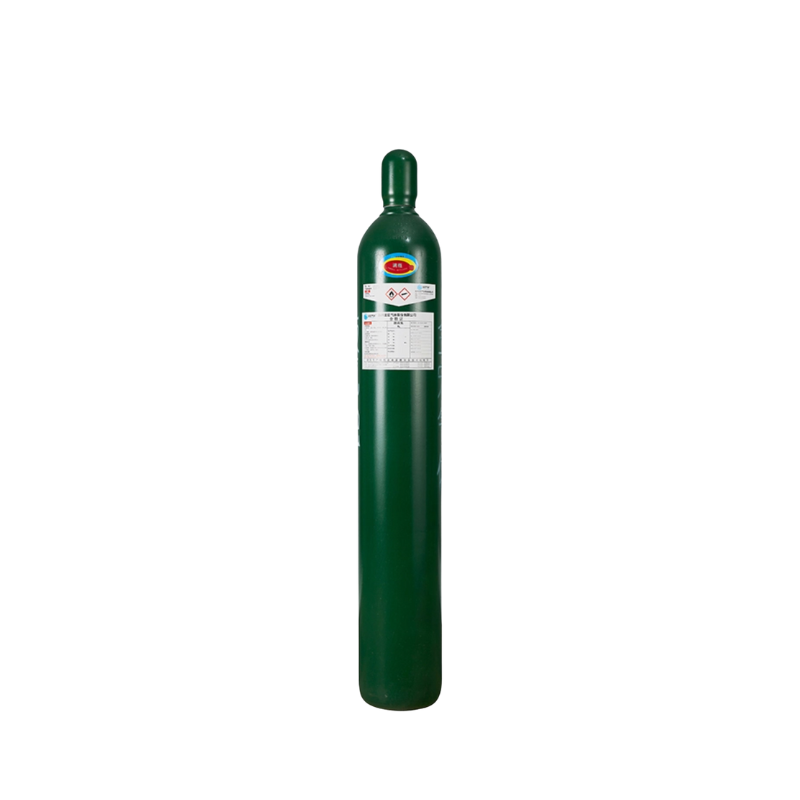
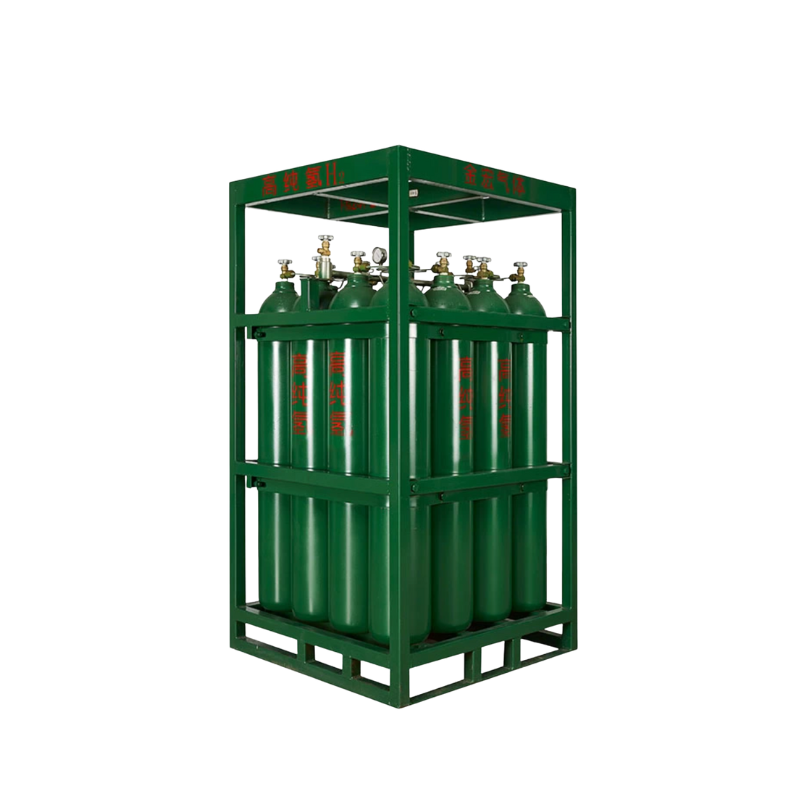
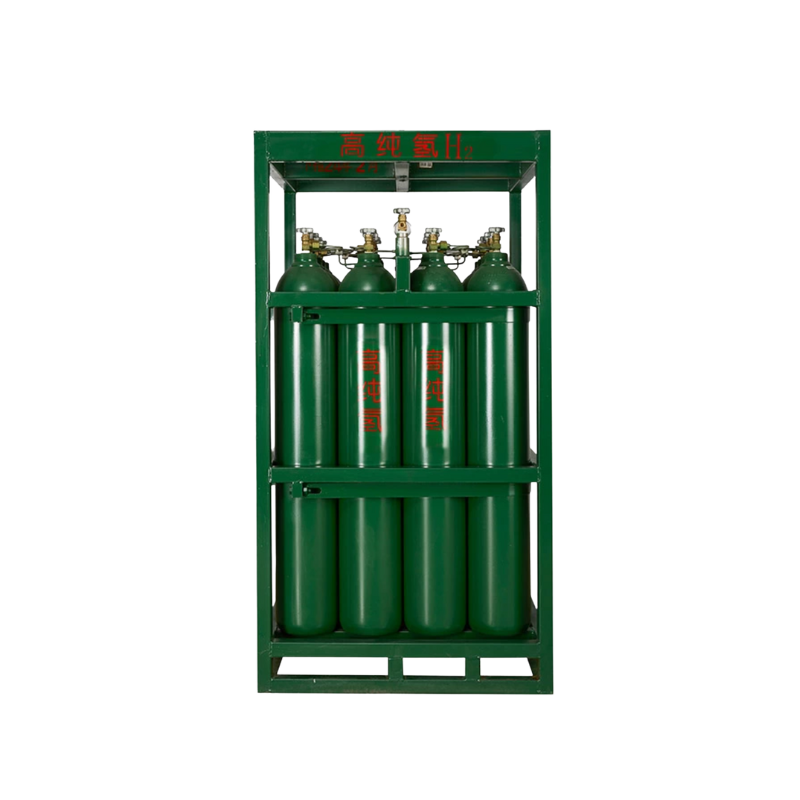
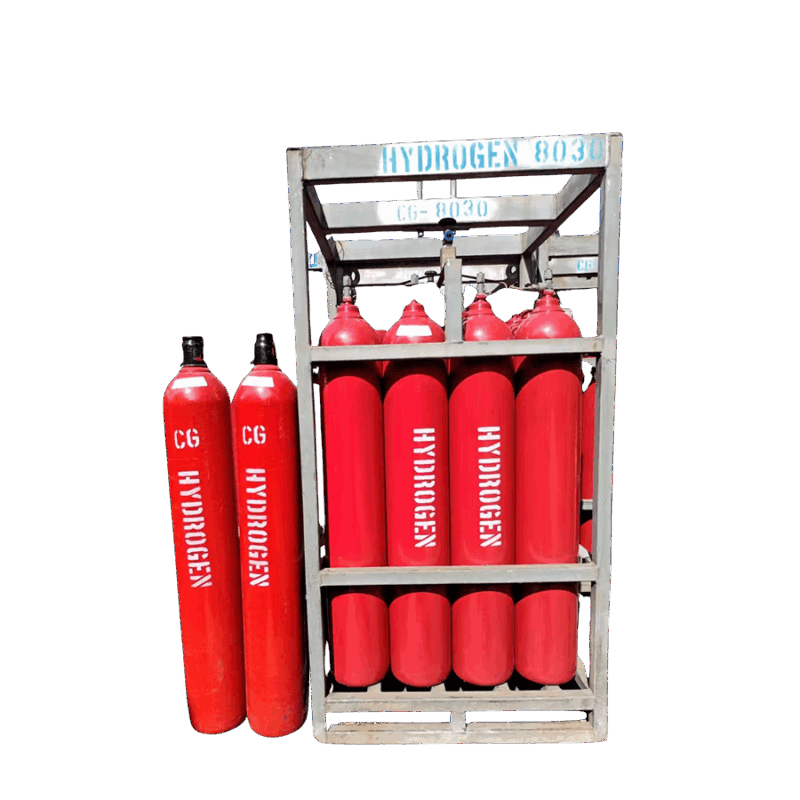
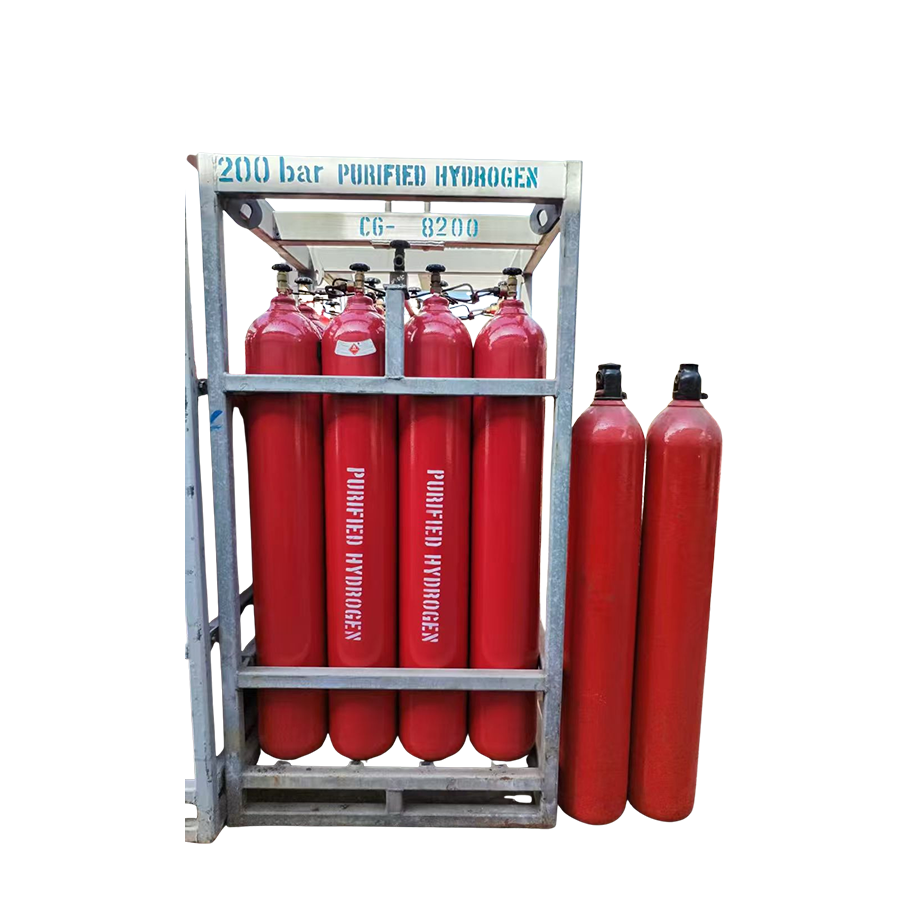
Hydrogen is a colorless, odorless, flammable gas and the lightest known gas. Hydrogen is generally non-corrosive, but at high pressures and temperatures, hydrogen can cause embrittlement in some steel grades. Hydrogen is non-toxic, but not life-sustaining, it is a suffocating agent.
High purity hydrogen finds widespread usage in the electronics industry as a reducing agent and as a carrier gas.
Hydrogen is most frequently produced for on-site usage by steam reforming of natural gas. Such plants may also be used as sources of hydrogen for the merchant market. Other sources are electrolysis plants, where the hydrogen is a by-product of chlorine production, and various waste gas recovery plants, such as at oil refineries or steel plants (coke oven gas). Hydrogen is also produced by electrolysis of water.
Medical gases are gases used in medical procedures. Mainly used for therapy, anesthesia, driving medical equipment and tools. Commonly used gases are: oxygen, nitrogen, nitrous oxide, argon, helium, carbon dioxide and compressed air.
Industrial gases are known as the “blood” of industry. Industrial gases are generally in high demand, but do not require high purity.A large amount of industrial gases are required in metallurgy, steel, petroleum, chemical, machinery, electronics, glass, ceramics, building materials, construction, food processing, medicine and medical and other industries,
The most common use of hydrogen is to fill hydrogen balloons and hydrogen airships; when hydrogen reacts with oxygen, it releases a lot of heat, which can be used for welding or cutting metals and high-energy fuels; hydrogen is also an important chemical raw material.
How hydrogen is made?
Half of the hydrogen comes from natural gas, coal mines and other natural sources. The method of electrolysis of water can produce hydrogen, but it consumes a lot of electricity. High temperature and high pressure of carbon and water also generate carbon monoxide and hydrogen.
What are the uses of hydrogen in daily life?
An important use of hydrogen is in the hydrogenation of fats in margarines, cooking oils, shampoos, lubricants, household cleaners, and other products.
What are the industrial uses of hydrogen?
The electronics industry can use hydrogen to produce high-purity silicon, a semiconductor material. Utilizing the property that hydrogen can extract oxygen from oxygen compounds, metals can be smelted in the metallurgical industry. Hydrogen is also an important chemical raw material. For example, hydrogen can be used to produce ammonia and further produce fertilizers.